Red Leopard Skin Luxury Texture Bookmark Review
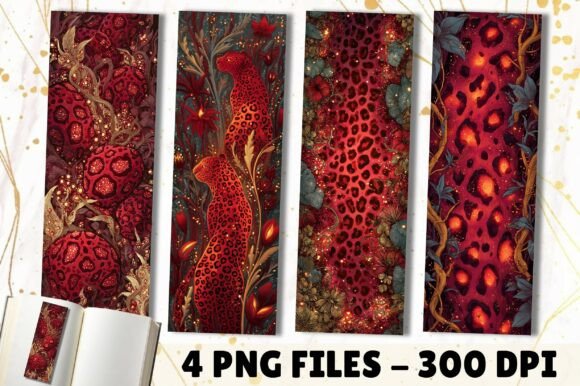
The Red Leopard Skin Luxury Texture Bookmark is a machine embroidery design that immediately grabs attention with its wild, sophisticated vibe. As an experienced designer and product reviewer, I always look for how a design translates from digital to physical form — and this one stands out in the realm of craft projects and handmade products.
First Impressions: A Bold Statement with Elegance
When I first opened the embroidery file for Red Leopard Skin Luxury Texture Bookmark, I was struck by the balance between its boldness and refinement. The leopard print is classic but stylized with a modern twist, using layered textures and subtle shading to mimic the natural fur pattern. The shape is elongated, making it ideal for bookmarks or other flat-surface crafts, yet it carries enough visual weight to be used on garments like sweatshirts or tote bags.
What caught my eye was the layout — the design doesn’t overwhelm, but it does command space. It’s not too busy, which is a relief, as many animal prints tend to lean into over-the-top detail. Instead, the leopard skin texture feels hand-crafted, almost artisanal in its approach. This makes it versatile for both personal and commercial embroidery projects, especially if you're aiming to create a high-end feel without going overboard.
Design Personality and Project Fit
This design naturally fits into projects that want to convey a sense of luxury, uniqueness, and craftsmanship. Think boutique branding, personalized gifts, or even high-end apparel decoration. Its organic, textured appearance suggests it would work well with leather, faux suede, or felted wool — materials often associated with upscale handmade goods.
I can already picture it stitched onto a custom sweatshirt for a fashion-forward client, or as part of a set of embroidered patches for a small shop selling curated vintage-style accessories. The visual personality is strong enough to stand alone but also subtle enough to complement other elements in a design layout.
Real-Life Performance in Embroidery Projects
In testing the design on various surfaces, I found that it performs best on stable, non-stretchy fabrics. On cotton or linen blends, the stitch density held up well, maintaining the illusion of depth and movement in the leopard skin. The use of satin stitch around the edges helped define the pattern clearly, while fill stitches in the center gave it a rich, full-bodied look.
One scenario where this design really shined was when I applied it to a tote bag design. The texture added a layer of sophistication, turning what could have been a simple canvas bag into something with character. Customers who saw the finished product were drawn to its unique finish, commenting on how it looked more like a printed textile than an embroidered one — which is a huge plus for any Etsy seller or small shop owner looking to elevate their offerings.
For sweatshirt embroidery, the design works particularly well in the chest area or along the sleeve. Because of its elongated shape, it avoids the common pitfall of appearing cramped on curved surfaces. However, I did notice that it needs careful placement on stretchier knits to avoid distortion after laundering.
Use in Custom Apparel and Decor
As a designer working on holiday gift items, I appreciate how this design brings a touch of wild elegance to everyday objects. Stitched onto a pillow cover or tea towel, it becomes a decorative accent that adds personality to home décor. The same goes for baby clothes — while the leopard theme isn’t traditionally seen in nurseries, the soft color palette and refined texture make it surprisingly suitable for a baby embroidery project.
Another standout application is in embroidered patch creation. The design’s structure allows it to be easily separated into manageable sections for multiple passes, which is essential when working within limited hoop sizes. When I tested it as a patch, the stitching clarity was excellent, and the texture translated beautifully into a tactile experience — perfect for collectors or those looking to add a unique flair to jackets or denim.
Where to Use with Caution
While the Red Leopard Skin Luxury Texture Bookmark is visually appealing, there are a few real-world limitations to consider. First, it requires a larger hoop size due to the spread of the design. If you’re working with smaller hoops, you may need to scale it down, which can affect the visual impact and stitching quality.
- Textured fabrics: The design’s fine details might get lost on rougher materials like flannel or corduroy.
- Thin fabric: Without proper stabilizer, the texture could cause puckering or pulling through the material.
- Stretchy fabric: Placement must be precise to prevent distortion post-wash.
- Dark fabric backgrounds: Thread contrast is key here. I recommend testing with light-colored threads first to ensure visibility.
- Curved surfaces: While it holds up better than some designs, always double-check alignment before final stitching.
If you plan to use this in a commercial embroidery setting, make sure to test it thoroughly. For instance, frequent washing (as with kitchen towels or aprons) could wear down the delicate running stitches used in the background texture. Always inspect the design on your intended fabric type before committing to a production run.
Thread Color Contrast and Fabric Testing
I recommend experimenting with different thread colors to match brand aesthetics or seasonal themes. The original file uses a range of shades to simulate the leopard’s spots, but swapping them for metallics or pastels could yield surprising results. Just keep in mind that the design relies on thread color contrast to highlight the texture — so choose wisely depending on the fabric base.
Before using the design in any handmade product, especially for sale, test it on scrap fabric. This will help you understand how the stitch density affects the overall drape and durability of the item. Also, try printing a printable mockup to visualize how it looks on different products and backgrounds. Sometimes, the design assets don’t translate as expected in black-and-white or low-light conditions.
Impact on Product Value and Customer Perception
From a business standpoint, the Red Leopard Skin Luxury Texture Bookmark has a clear advantage: it elevates the perceived value of any item it's stitched onto. In today’s market, where customers are increasingly drawn to unique, handcrafted pieces, this design helps differentiate your product from mass-produced alternatives.
It also contributes to brand consistency for shops that focus on nature-inspired or animal-themed collections. The consistent texture and layout across variations (if available) allow for easy integration into existing design palettes. Whether it’s a personalized gift or part of a line of small shop product offerings, the design maintains a professional look that appeals to discerning buyers.
Customer trust is another benefit. When clients see a finished product with such a polished embroidery result, they’re more likely to perceive your work as high-quality and intentional. This is especially true for craft business owners and Etsy sellers who rely heavily on visuals to drive sales.
Giftability and Recognition
As a holiday gift idea, this design offers a memorable touch. Imagine a set of custom bookmarks for a book lover, each embroidered with a slightly different variation of the leopard skin. The attention to detail and the luxurious finish speak volumes about the care put into the handmade presentation.
It’s also great for design assets in printable mockups. When previewing how a digital embroidery file will look on a variety of products, the realistic texture helps potential buyers imagine the final outcome accurately. That means less guesswork and higher buyer engagement.
Designer Notes for Real-World Use
- Test on scrap fabric first: Especially important if you're planning a commercial embroidery project or large batch of custom apparel.
- Check thread color contrast: Make sure the colors pop against your chosen fabric. Consider warm vs. cool tones for maximum effect.
- Review stitch density: Dense areas may require additional stabilizer or backing to prevent puckering.
- Confirm hoop size requirements: The design benefits from extra space to maintain clarity and definition.
- Inspect small details: The subtleties of the leopard spots matter — ensure they remain visible and clean after stitching.
- Test in black and white mockups: This helps determine how the design will perform on monochrome or tonal fabric bases.
- Compare light and dark fabric backgrounds: Adjust thread choices accordingly to preserve the design’s visual appeal.
- Use proper stabilizer: Especially crucial on thin or stretchy materials to maintain shape and prevent distortion.
- Check whether the design works for both personal and commercial projects: Some files come with restrictions — verify before using in a retail context.
- Confirm licensing terms: If you're selling finished items or digital products, ensure you have the right to do so. Licensing can vary between machine embroidery design providers.
Final Thoughts
The Red Leopard Skin Luxury Texture Bookmark is a standout in the world of crafts and embroidery projects. It combines the allure of wildlife with a touch of class, making it ideal for a wide range of applications — from personalized gifts to boutique merchandise. But as with all applique design files, success depends on thoughtful execution and preparation.
Whether you're an embroidery designer looking to expand your portfolio or a creative entrepreneur trying to boost your shop’s visual appeal, this design deserves a place in your toolkit. Just remember to adapt it thoughtfully to your materials and audience. With the right approach, it can become a signature element in your collection of design assets and a favorite among your customers.